
Defra clarifies ISPM 15 responsibility and returns process for France-bound pallets
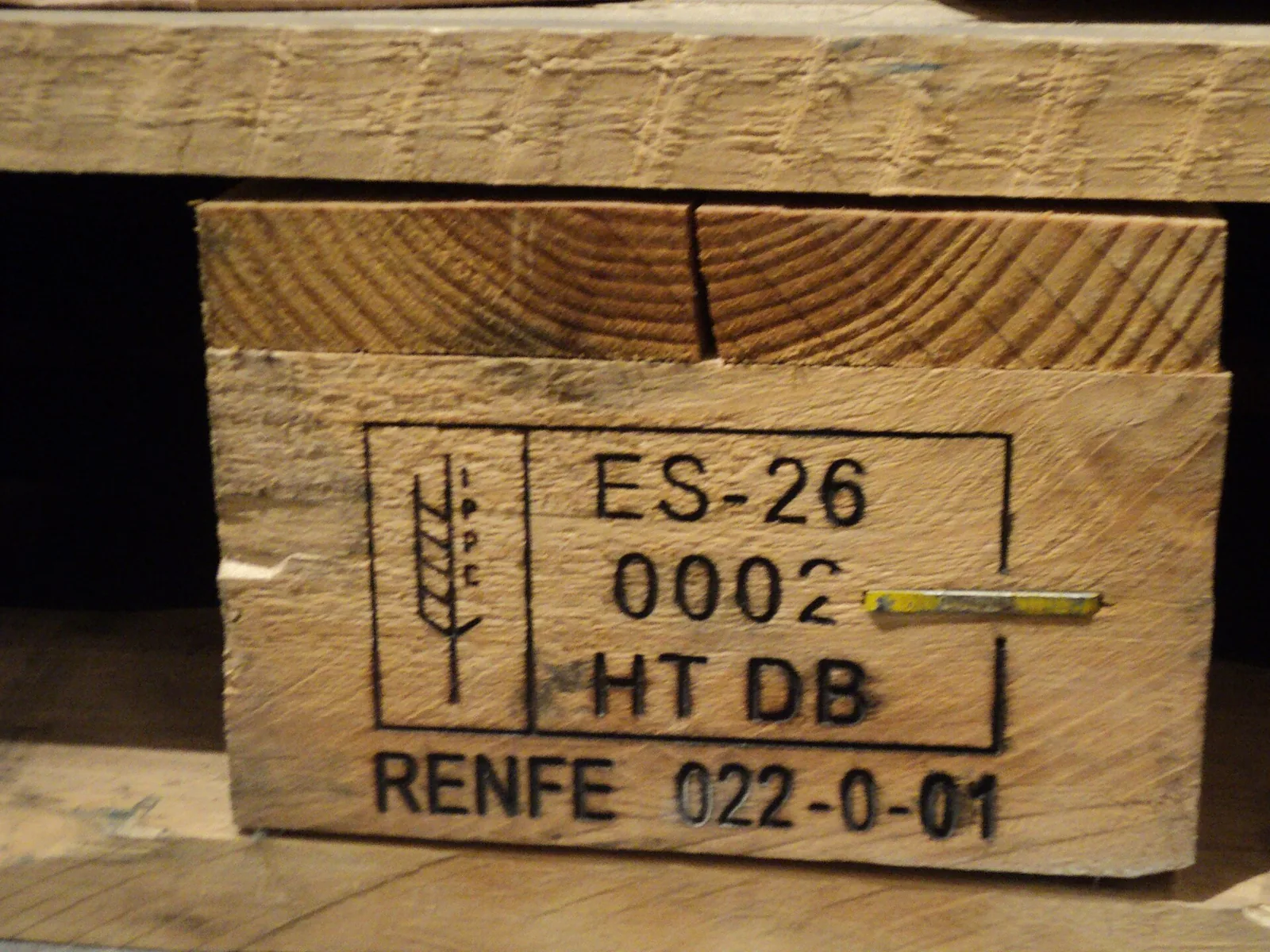
Photo: ES ISPM pallet by self-made by the uploader, via Wikimedia Commons · CC BY-SA 2.5 ca
Defra guidance updated 30 September says exporters remain responsible for ISPM 15-compliant wood packaging in SPS consignments to the EU via France. French authorities may destroy non-compliant pallets; GB port health authorities are not expected to act on interceptions at destination, and returned goods follow existing border processes.
Defra and the Animal and Plant Health Agency’s official veterinary surgeon note, first published on 16 September and updated on 30 September 2026, covers wood packaging material (including pallets) accompanying sanitary and phytosanitary goods exported to the EU via France. France introduced national controls on 1 September following a pine wood nematode outbreak in Landes and has significantly increased inspections of wood packaging accompanying consignments from third countries. Defra says the priority of French border inspection authorities is phytosanitary risk control; where non-compliant wood packaging is found, it is expected to be destroyed as quickly as possible to prevent further circulation. Exporters remain responsible for ensuring wood packaging used in EU exports meets ISPM 15 treatment and marking requirements before export. The importing country’s authority decides any remedial action, re-palletisation, destruction or action affecting the goods, and non-compliance can delay consignments or lead to enforcement. The updated note clarifies that Great Britain port health authorities are not expected to take action when non-compliant material is intercepted at destination; if non-compliant pallets are returned to Great Britain, border control posts should use existing returned-goods processes. This is a summary of official guidance, not legal advice.
Pallet-trade implications
Questions to check in your business
- Is every pallet and crate in your EU-bound SPS consignments ISPM 15 heat-treated and correctly marked?
- Have you briefed exporters routing via France that non-compliant wood packaging may be destroyed at the border?
Pallet News desk prompts based only on the original update cited below. They are not legal or compliance advice — confirm details with the source before acting.
Source attribution
- Source organisation
- GOV.UK / Defra / APHA
- Original date
- 30 Sept 2026
- Published by us
- 1 Oct 2026
Pallet News publishes a short original summary only. Copyright in the original update remains with the publishing organisation.
Community
Discuss this topic in the forum
No discussion is created automatically.
More from this section
Related stories

Australia advises exporters on Oman’s new palletisation rule
Australia’s agriculture department says containerised goods arriving in Oman must be stowed on wooden, plastic or metal pallets; non-compliant consignments may be rejected and returned.
Source Australian Department of Agriculture, Fisheries and Forestry
Original date 2 Oct 2026
Read the original update ↗
Defra digital waste tracking goes live for permitted sites
Defra’s Report Receipt of Waste service went live on 1 October for permitted waste sites in England. Licensed or permitted sites in England and Wales must digitally report each controlled-waste load they receive; the rules also affect pallet repair and recycling businesses where their sites fall within scope.
Source Department for Environment, Food & Rural Affairs (Defra)
Original date 1 Oct 2026
Read the original update ↗
Wood Pallets for Europe launches in Brussels as pallet sector strengthens EU policy voice
A new Brussels-focused alliance, Wood Pallets for Europe, was announced on 17 September 2026 to give the wooden pallet sector a coordinated, evidence-based voice with EU institutions and policymakers. Founders are CJ Sheeran Group, Euroblock Verpackungsholz GmbH, Foresco, PGS Group, EPAL and Woodpack Global.