
Defra refreshes packaging-data reporting file guidance with 2026 examples
Photo: EFTA00002404 - Cluttered warehouse space with stacked boxes red barrels on pallets and equipment racks under fluorescent lights by Federal Bureau of Investigation, via Wikimedia Commons · Public domain
Guidance on creating a packaging-data reporting file was updated, including example files for 2026 reporting. Obligated producers compiling packaging data should work from the current template and column definitions rather than earlier versions.
Source attribution
- Source organisation
- GOV.UK / Defra
- Original date
- 19 Aug 2026
- Published by us
- —
Pallet News publishes a short original summary only. Copyright in the original update remains with the publishing organisation.
Community
Discuss this topic in the forum
No discussion is created automatically.
More from this section
Related stories

Australia advises exporters on Oman’s new palletisation rule
Australia’s agriculture department says containerised goods arriving in Oman must be stowed on wooden, plastic or metal pallets; non-compliant consignments may be rejected and returned.
Source Australian Department of Agriculture, Fisheries and Forestry
Original date 2 Oct 2026
Read the original update ↗
Defra digital waste tracking goes live for permitted sites
Defra’s Report Receipt of Waste service went live on 1 October for permitted waste sites in England. Licensed or permitted sites in England and Wales must digitally report each controlled-waste load they receive; the rules also affect pallet repair and recycling businesses where their sites fall within scope.
Source Department for Environment, Food & Rural Affairs (Defra)
Original date 1 Oct 2026
Read the original update ↗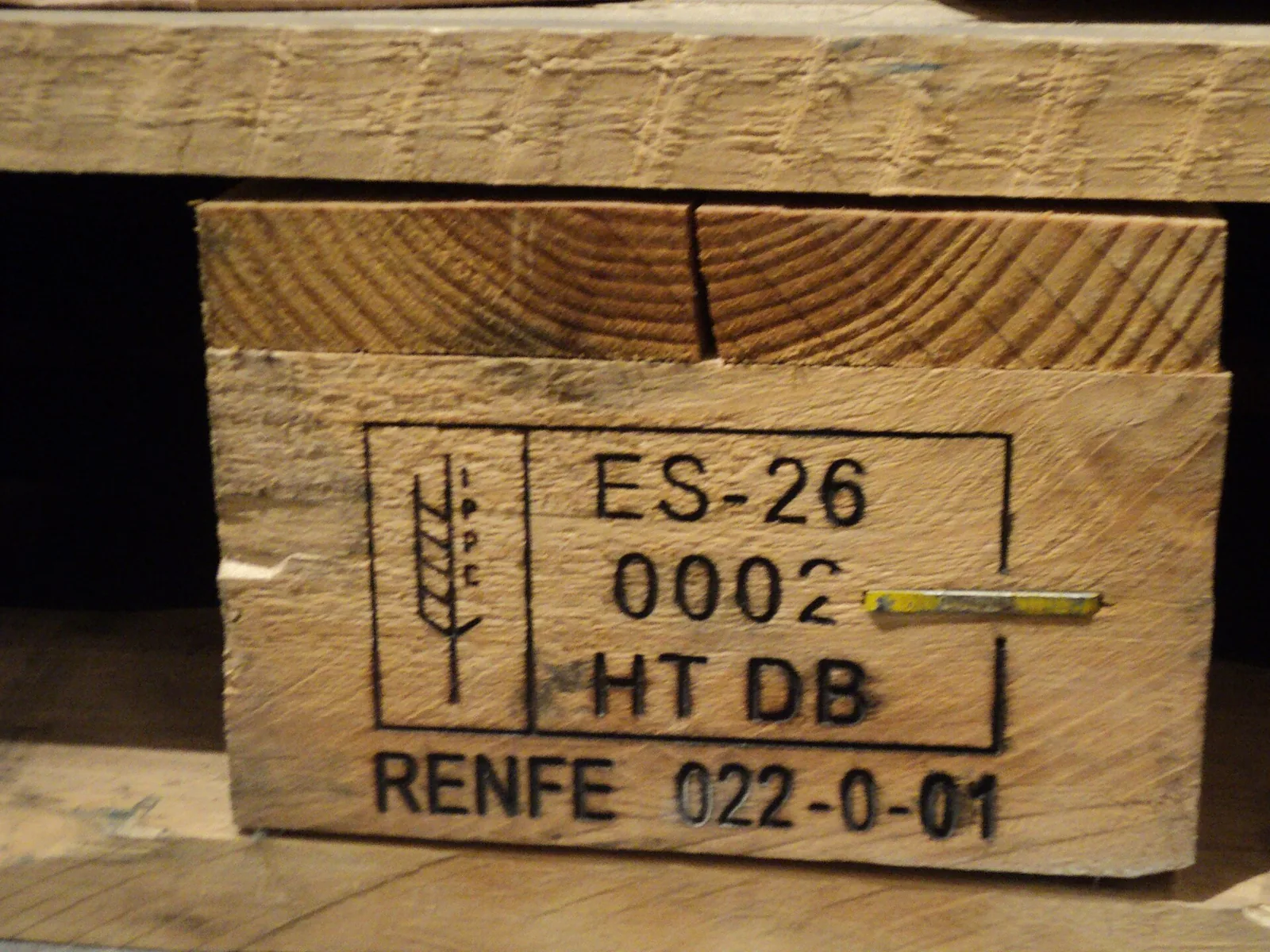
Defra clarifies ISPM 15 responsibility and returns process for France-bound pallets
Defra guidance updated 30 September says exporters remain responsible for ISPM 15-compliant wood packaging in SPS consignments to the EU via France. French authorities may destroy non-compliant pallets; GB port health authorities are not expected to act on interceptions at destination, and returned goods follow existing border processes.