
DHL Freight puts SuperPanther electric truck into regular Dutch and Belgian service
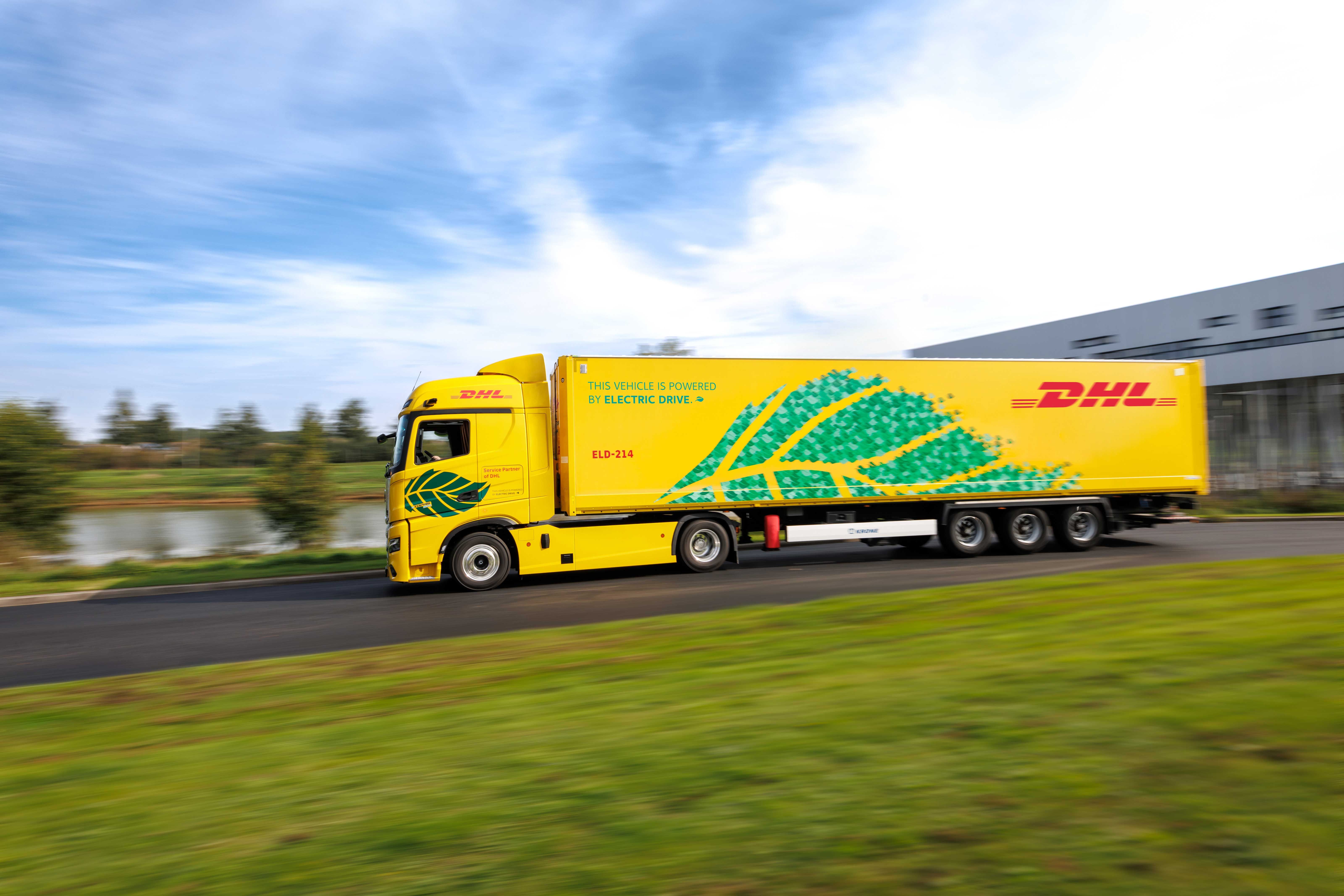
DHL Freight says its first Europe-built SuperPanther eTopas 600 has moved from trials to commercial operations, serving domestic Dutch routes and cross-border freight to Belgium since September.
In an update published on 14 October, DHL said the battery-electric heavy truck covers around 2,000 kilometres a week and works across different routes rather than a single fixed shuttle or terminal.
The operator describes daily operating experience as positive and says the deployment is providing evidence on integrating electric vehicles into existing networks. DHL Freight Netherlands and Belgium also plans to add around 40 further electric vehicles in the coming months; those additions are not yet reported as deployed.
The announcement concerns regular road-freight operations, following earlier tests and July production. It does not establish a new pallet service or independently verified fleet-wide emissions saving.
Source attribution
- Source organisation
- DHL Group
- Original date
- 14 Oct 2026
- Published by us
- 16 Oct 2026
Pallet News publishes a short original summary only. Copyright in the original update remains with the publishing organisation.
Community
Discuss this topic in the forum
No discussion is created automatically.
More from this section
Related stories

Budget extends 5p fuel-duty cut through June 2027
The government plans to retain the temporary 5p-per-litre cut until 30 June 2027 and defer the inflation increase until 1 July, extending relief for road freight operators.
UK weekly diesel average edges down to 199.22p per litre
DESNZ’s 26 October observation puts petrol at 174.07p/litre and diesel at 199.22p, down 0.50p and 0.11p respectively over the week.
Source Department for Energy Security and Net Zero
Original date 27 Oct 2026
Read the original update ↗
European hauliers cite customer reluctance to fund greener transport
About seven in ten surveyed European road freight operators say customers will not pay the extra cost of decarbonisation, according to the new Green Compact survey.